15 First Home Decor Ideas for a Stylish Start on Any Budget
Introduction
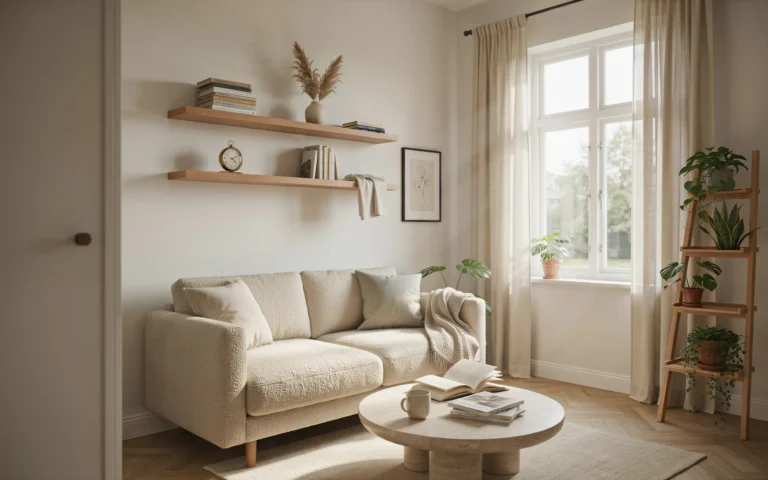
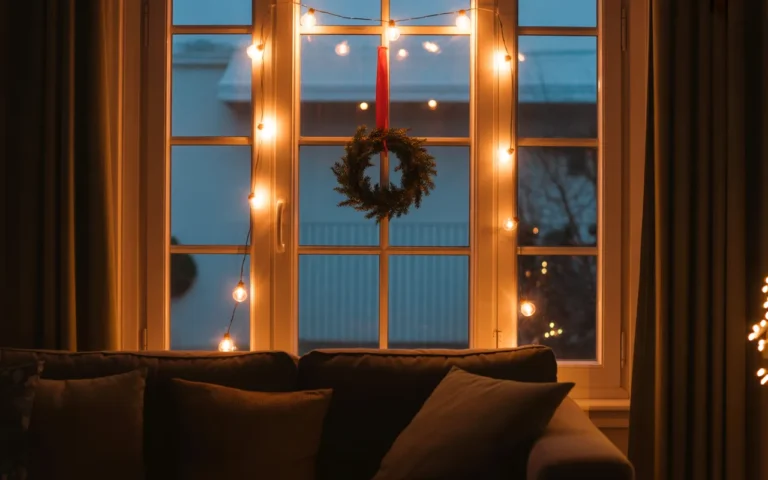
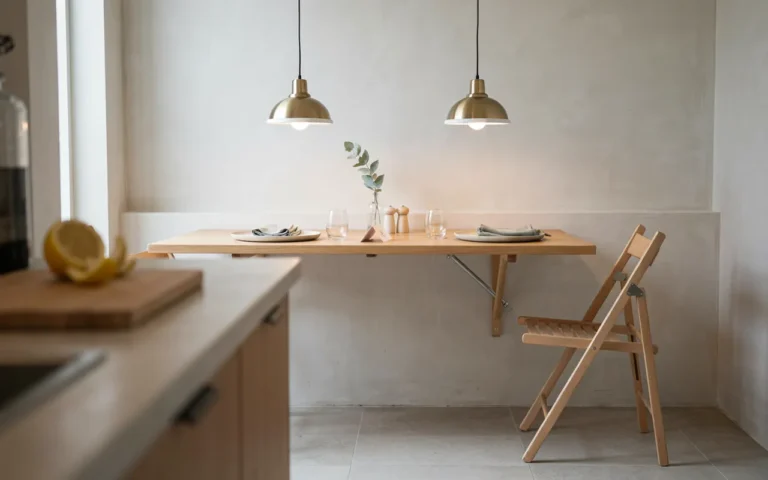
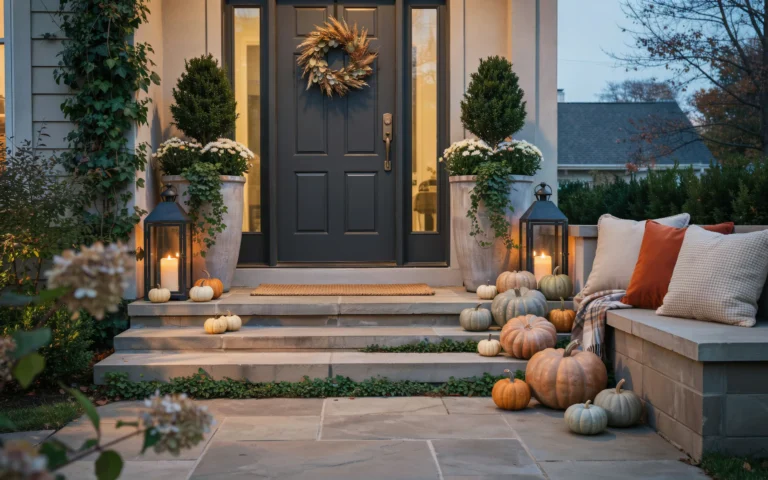
Ever walked into your first place and felt completely overwhelmed by the empty walls and bare floors? You’re not alone. If you’re searching for first home decor ideas that won’t drain your savings, you’re in the right place. In my experience, the homes that feel the most put-together aren’t always the most expensive, they’re the ones styled with a bit of patience and a few smart choices along the way. This roundup of 15 ideas covers everything from layered rugs to budget-friendly lighting tricks, each one practical enough to try right away and stylish enough to make a real difference. Whether you’re renting your first apartment or settling into your first house, you’ll find something here worth trying today.
1. Layered Rug Trick
- Adds visual warmth without needing an expensive large rug
- Layering two smaller rugs costs less than one oversized one
- Works well in rentals since nothing needs to be installed
- Adds texture and definition to open living spaces
- I’ve noticed jute as the base layer photographs beautifully under natural light
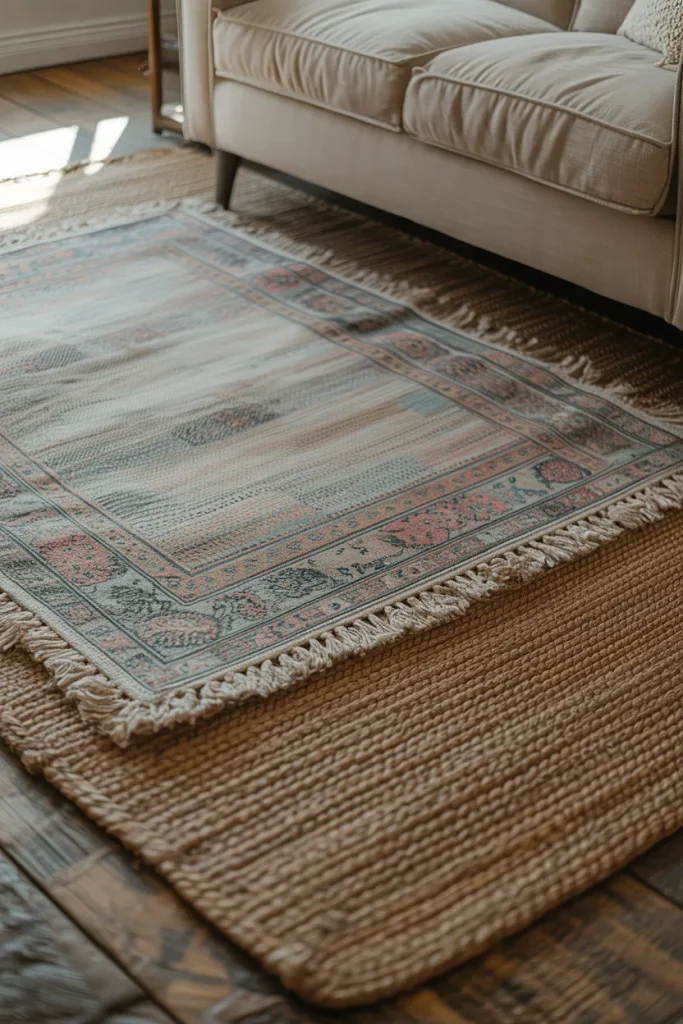
A layered rug is one of the smartest first home decor ideas because it solves a common budget problem, covering a large floor area without paying for one expensive oversized rug. Placing a smaller, patterned rug on top of a larger, affordable jute or sisal base creates depth and texture that a single flat rug simply can’t achieve. In my experience, this trick works especially well in first apartments or starter homes, where furniture is still being collected gradually and rooms can feel a bit sparse. The layered look also helps define separate zones within an open floor plan, like a seating area within a larger living room.
This idea is genuinely budget-friendly since jute rugs are typically far less expensive per square foot than patterned wool or synthetic options. I’ve seen this styling trick used successfully in small apartments where a single large rug would have been financially out of reach early on. Because both rugs are separate pieces, they can be swapped or replaced individually as your style or budget evolves over time.
2. Gallery Wall on a Budget
- Fills wall space using inexpensive or free frame options
- Mixing frame styles feels curated rather than mismatched
- Works well with prints, photos, or even fabric scraps
- Easy to expand gradually as your collection grows
- I’ve noticed thrifted frames often have more character than new ones
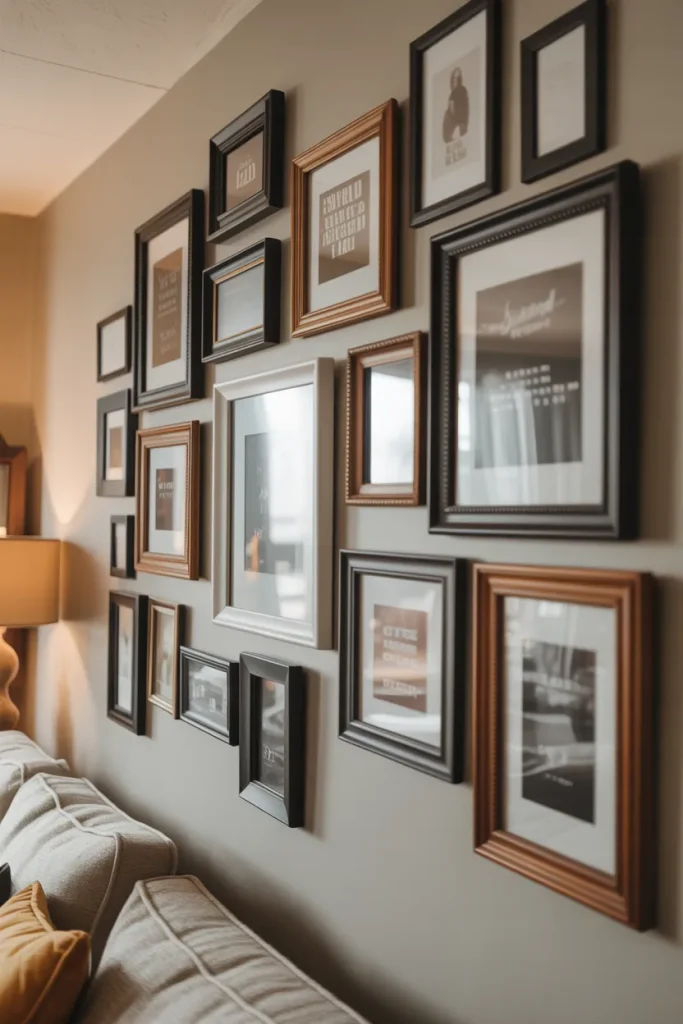
A budget gallery wall is one of the most rewarding first home decor ideas because it fills empty wall space while telling a genuinely personal story. Mixing thrifted frames in different sizes and finishes creates an eclectic, collected look that actually feels more intentional than a matching set purchased all at once. I’ve noticed that secondhand frames often have more character and texture than anything found new, giving the whole wall a warmer, more lived-in quality. This approach also allows the wall to grow slowly over time rather than requiring a large upfront investment in artwork.
What makes this idea especially practical for a first home is how flexible it remains as your taste and budget change. Starting with just three or four frames and adding more gradually keeps costs manageable while still making an immediate visual impact. I’ve seen this technique work beautifully using printed photos, postcards, or even fabric remnants instead of expensive artwork.
3. Command Hook Curtain Rods
- Adds softness to windows without drilling into walls
- Perfect for renters who can’t make permanent changes
- Inexpensive curtain rods and hooks keep costs low
- Curtains instantly make a room feel more finished
- I’ve tried this in a rental and removal left zero damage
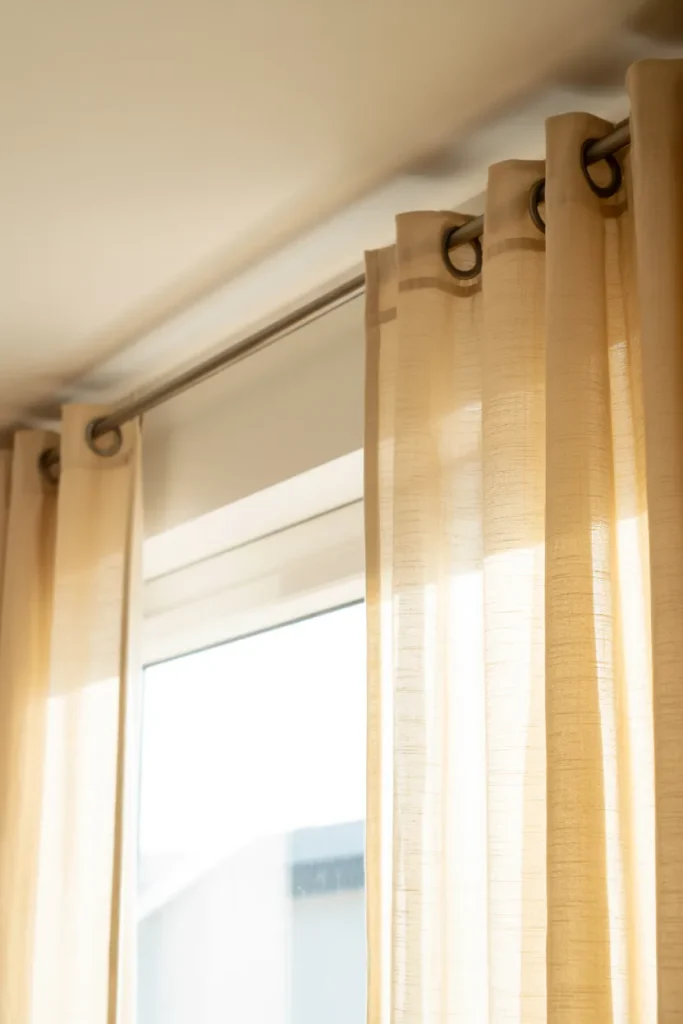
Command hook curtain setups are one of the most practical first home decor ideas for anyone renting or hesitant to commit to permanent wall changes. Using adhesive hooks instead of drilled brackets allows curtains to hang just as beautifully, without leaving holes behind when it’s time to move. I’ve tried this exact setup in a rental apartment, and removal genuinely left no damage or marks on the wall afterward. Adding curtains to even one window can instantly make a room feel softer and more finished, especially in a space still waiting for other furniture.
This idea works particularly well because both the hooks and basic curtain rods are widely available and inexpensive at most hardware or home stores. I’ve noticed that light, airy fabrics like linen or cotton voile make the biggest visual difference, letting natural light filter through while still adding texture to the window. Because this setup requires no tools or drilling, it’s an easy first project for anyone just starting to personalize their space.
4. Faux Plant Placement
- Adds height and life to a room without any maintenance
- Faux plants cost less over time than replacing dying real ones
- Works well filling empty corners that feel awkward
- Available at a wide range of price points and sizes
- I’ve noticed a single large plant makes more impact than several small ones
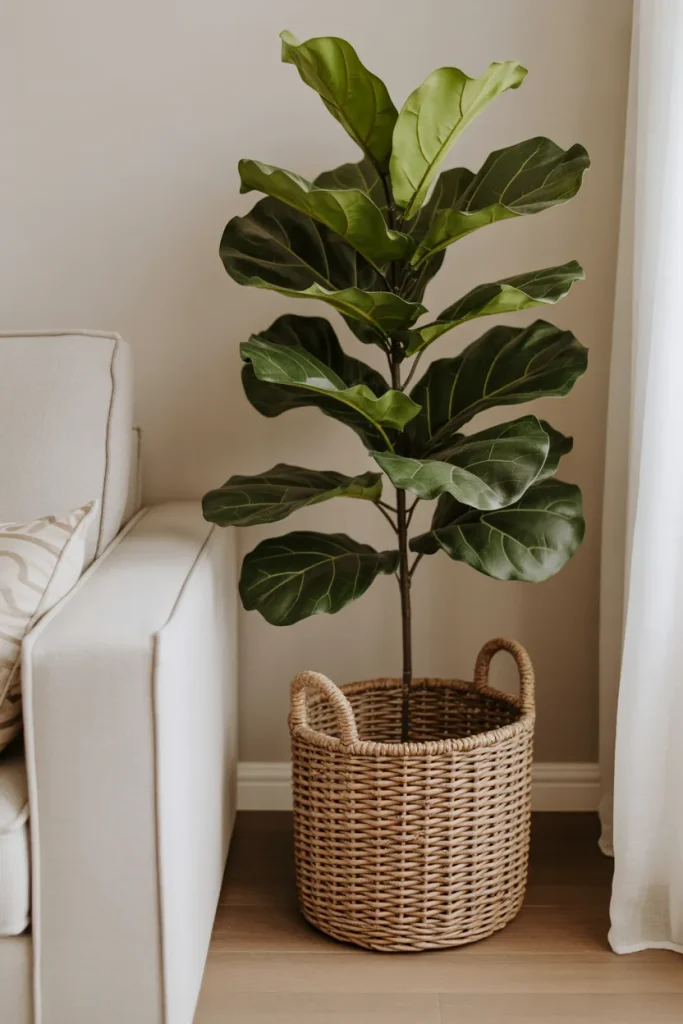
A well-placed faux plant is one of the easiest first home decor ideas for anyone who wants greenery without the commitment of keeping something alive. I’ve noticed that one large plant in an empty corner consistently makes more visual impact than scattering several small ones around a room. This is especially useful for those first few months in a new space, when natural light levels and watering routines are still unpredictable. A quality faux fiddle leaf fig or palm can look convincing from across the room, filling awkward empty corners that often go unstyled.
This idea works well because faux plants, while sometimes pricier upfront, save money over time compared to repeatedly replacing real plants that don’t survive a new environment. I’ve seen this trick used successfully in low-light apartments where real plants would otherwise struggle. Pairing the plant with a simple woven basket instead of a plastic nursery pot instantly elevates the overall look.
5. Thrifted Coffee Table
- Adds character that new furniture often lacks
- Secondhand pieces typically cost far less than retail
- Wood furniture can be refinished if needed later
- Works well as a temporary piece until budget allows an upgrade
- I’ve noticed thrifted tables often have better craftsmanship than new budget options
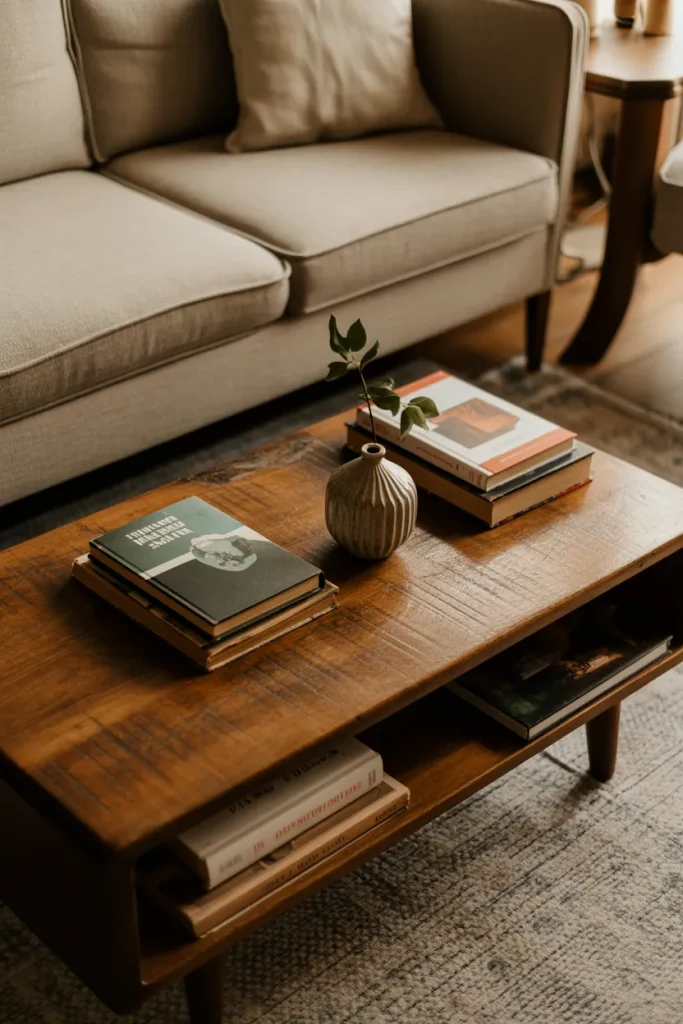
A thrifted coffee table is one of the more practical first home decor ideas for furnishing a living room without overspending on a centerpiece item. Secondhand furniture stores and marketplace listings often have solid wood tables priced far below anything comparable found new. I’ve noticed that many older, thrifted pieces are actually better constructed than similarly priced new furniture, since materials and craftsmanship standards have shifted over the decades. Small imperfections like scratches or worn edges can also be refinished later, giving the piece a longer lifespan than expected.
This idea works particularly well as a starting point rather than a final decision, since a thrifted table can always be swapped out later once budget allows for something more specific to your style. I’ve seen this approach used successfully by many first-time homeowners who didn’t want to rush into an expensive purchase before understanding how they’d actually use the space. Because these pieces are already affordable, there’s less pressure to find something perfect right away.
Working with a smaller space? Check out 18 Small Space Living Room Ideas That Make Any Room Feel Big for more budget-friendly inspiration.
6. Peel-and-Stick Backsplash
- Transforms a kitchen without any demolition or grouting
- Renter-friendly, since it can be removed without damage
- Costs significantly less than real tile installation
- Available in styles that closely mimic real materials
- I’ve tried this in a rental kitchen and it held up well for over a year
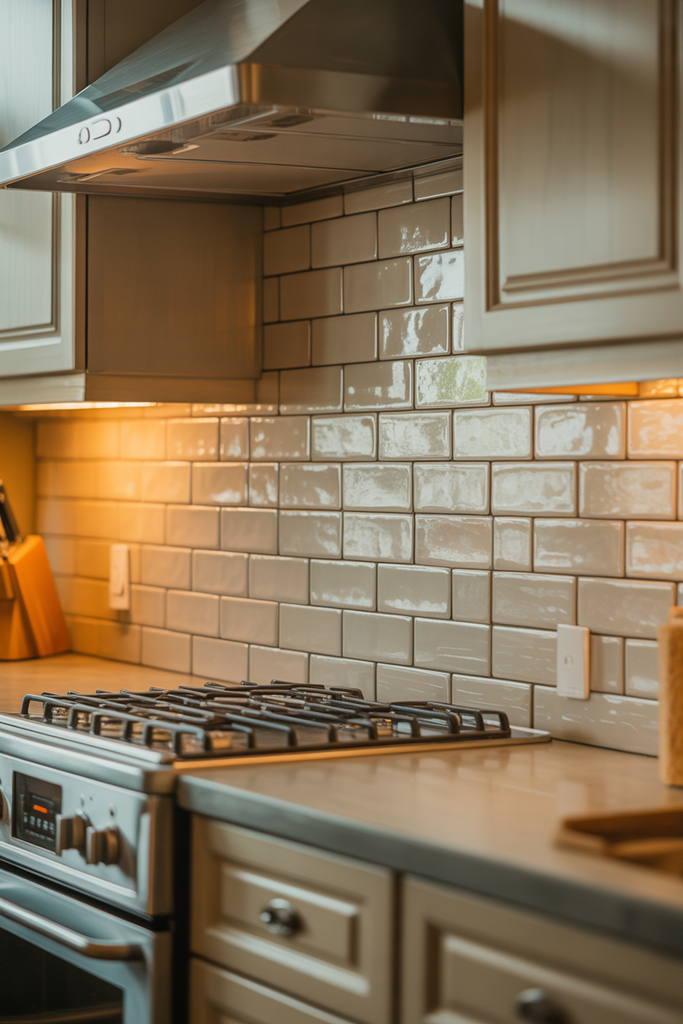
A peel-and-stick backsplash is one of the most transformative first home decor ideas for a kitchen that feels outdated or unfinished. Unlike traditional tile, this option requires no grout, no demolition, and no specialized tools, making it accessible even for complete beginners. I’ve tried this exact material in a rental kitchen, and it held up surprisingly well for over a year without peeling or discoloring, even with regular cooking nearby. Many modern peel-and-stick options mimic real subway tile or marble so closely that guests often assume it’s the real thing.
This idea works particularly well because the cost difference between peel-and-stick and professionally installed tile is significant, often just a fraction of the price. I’ve seen this upgrade used successfully behind stoves and sinks, the exact spots where a kitchen tends to look most unfinished without some kind of backsplash. Because it’s removable, this is a genuinely safe project for renters worried about their security deposit.
7. Statement Throw Pillows
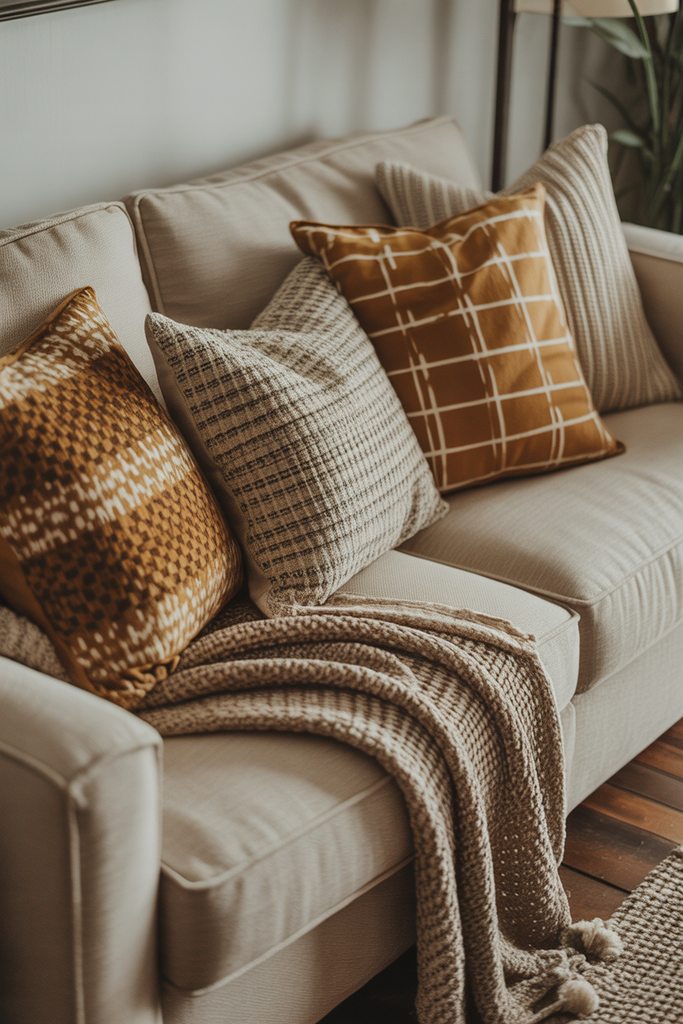
- Adds color and pattern without committing to new furniture
- Inexpensive way to refresh a room’s look seasonally
- Works with any existing sofa or chair, regardless of style
- Easy to swap out as your taste or trends change
- I’ve noticed odd-numbered pillow groupings look more intentional than even pairs
Throw pillows are one of the most cost-effective first home decor ideas for adding color and personality to a space still filled with neutral, budget-friendly furniture. Since a full sofa or accent chair often isn’t in the cards early on, pillows offer a way to introduce pattern and texture for a fraction of the cost. I’ve noticed that grouping pillows in odd numbers, like three or five, tends to look more intentional and collected than a simple matching pair. This small detail alone can make a plain, budget sofa feel far more finished and styled.
This idea works particularly well because pillow covers are inexpensive and easy to swap seasonally without needing to replace the pillow inserts themselves. I’ve seen this used effectively by many first-time renters who wanted their space to feel personal without a large furniture investment. Mixing textures, like a chunky knit alongside a smoother woven fabric, adds visual interest without needing to match colors perfectly.
8. Removable Wallpaper Accent
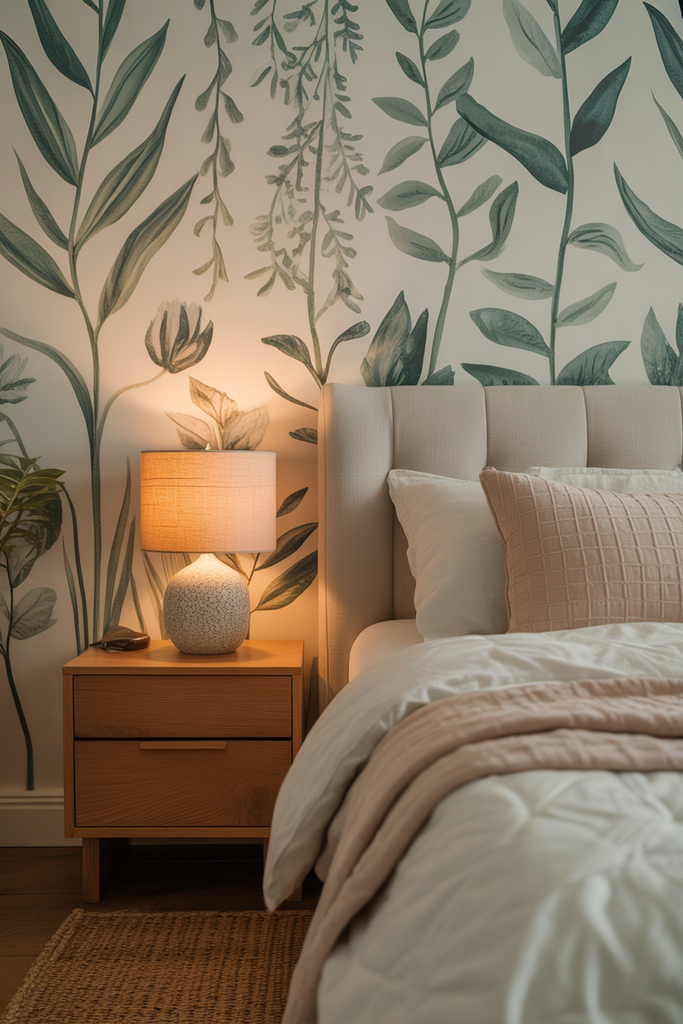
- Adds pattern and personality to an otherwise plain wall
- Fully removable without damaging paint or drywall
- Available in countless styles to match any budget or taste
- Works well limited to just one accent wall to control cost
- I’ve tried this behind a headboard and it transformed the whole room
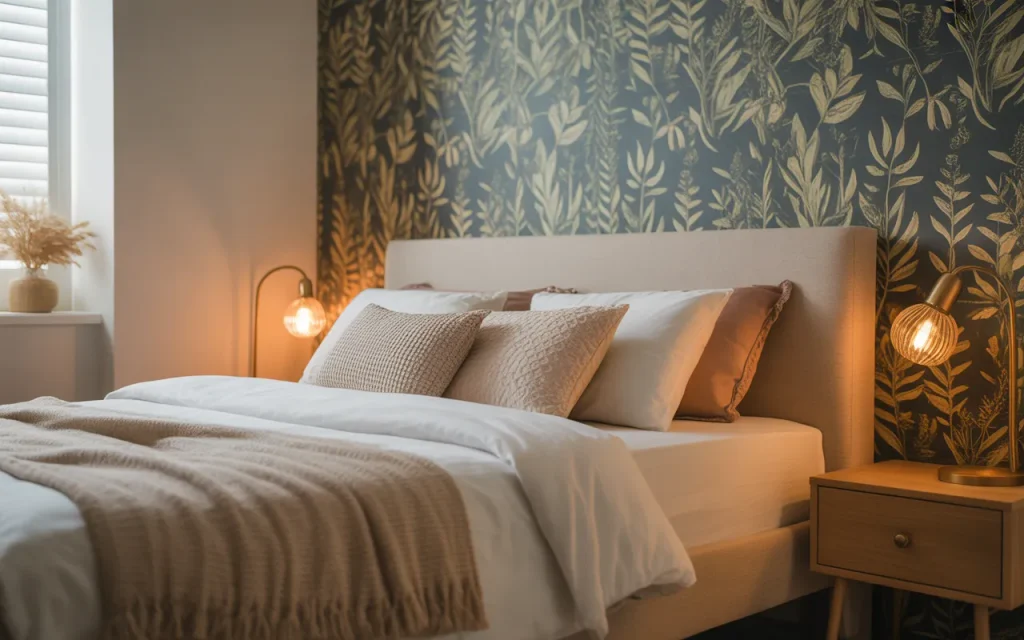
Removable wallpaper is one of the more visually impactful first home decor ideas, especially when applied to just one accent wall rather than an entire room. I’ve tried this exact approach behind a bed frame, and the transformation was dramatic enough that guests consistently assumed it was real, permanently installed wallpaper. Because it’s designed to peel off cleanly, this option works well for renters who want to experiment with bold pattern or color without any long-term commitment or risk to their deposit. Limiting the wallpaper to one wall also keeps material costs reasonably low.
This idea works particularly well in bedrooms, where a single statement wall behind the headboard creates a natural focal point for the whole room. I’ve seen this technique used successfully across a wide range of budgets, since removable wallpaper comes in options ranging from very affordable to more premium designer patterns. Because installation typically only requires a smooth surface and some patience, this is a manageable weekend project for most first-time homeowners or renters.
9. Curtain Room Divider
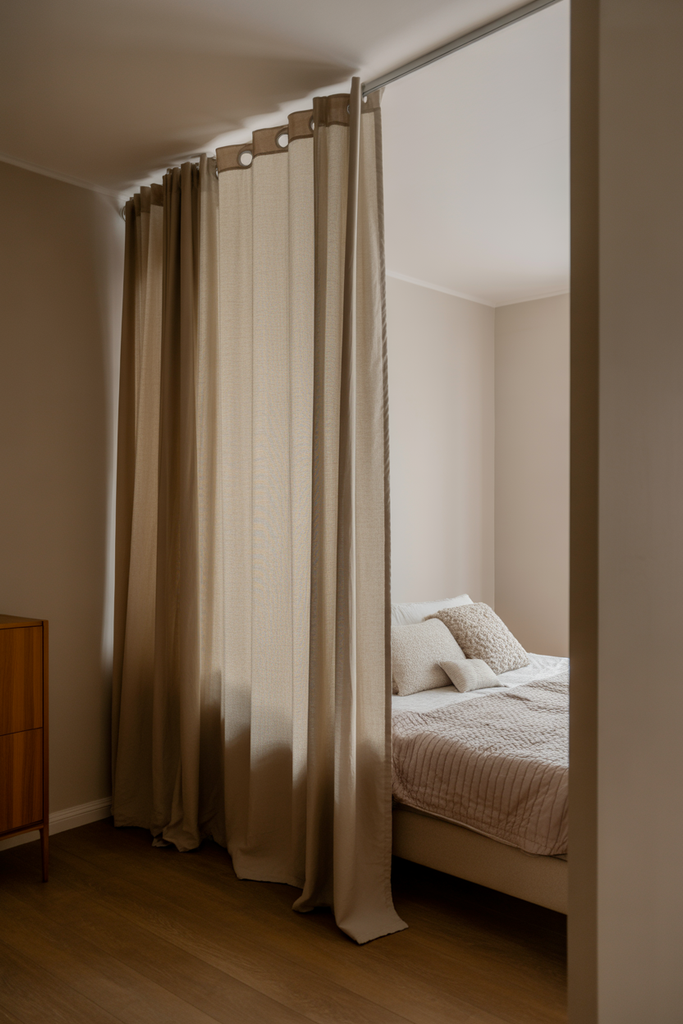
- Creates separate zones without any permanent construction
- Adds softness and texture to an otherwise open floor plan
- Works especially well in studio or open-concept apartments
- Inexpensive compared to building an actual partition wall
- I’ve noticed heavier fabric blocks more light and adds privacy
A curtain room divider is one of the more functional first home decor ideas for anyone living in a studio apartment or open floor plan without separate rooms. Hanging a floor-to-ceiling curtain from a tension rod or track creates a visual and physical separation between a sleeping area and the rest of the living space, all without any construction or landlord approval needed. I’ve noticed that heavier fabrics, like blackout curtains, do a noticeably better job blocking both light and sound compared to lighter, sheer materials. This makes a meaningful difference for anyone sharing a single open space with a roommate or partner.
This idea works particularly well because it’s significantly less expensive than building an actual partition wall, while still creating a genuine sense of separate zones. I’ve seen this technique used successfully in small city apartments where every square foot needs to serve a purpose. Because the curtain can be pulled back completely during the day, this solution offers flexibility that a permanent wall simply couldn’t provide.
10. Mirror for Small Spaces
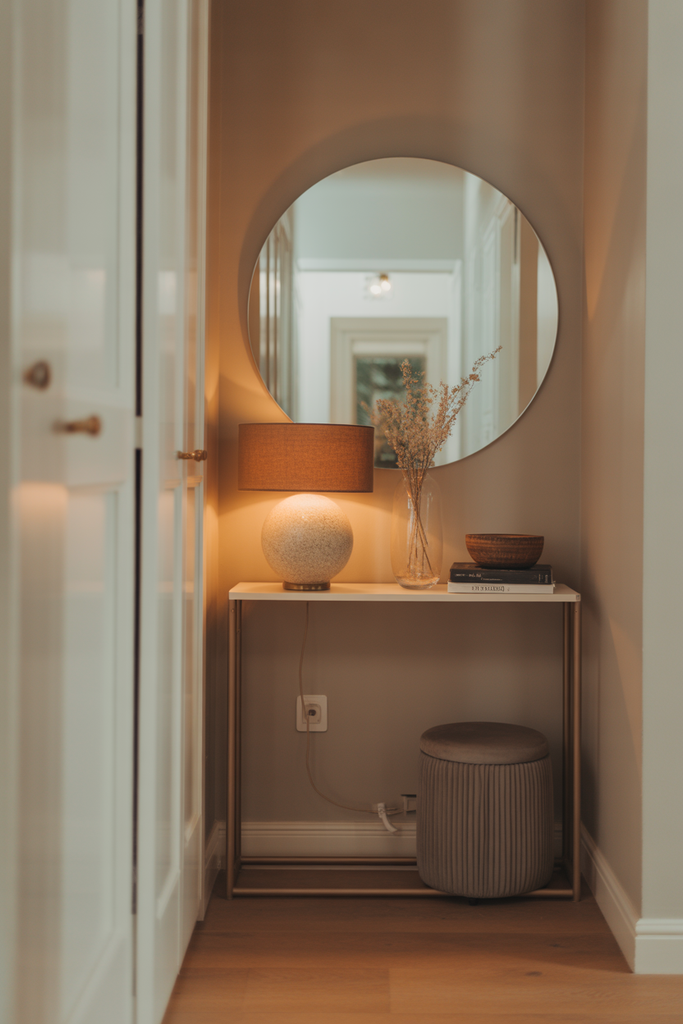
- Makes a small room feel noticeably larger and brighter
- Reflects existing light rather than requiring new fixtures
- Works well in hallways, entryways, or small living rooms
- Available at a wide range of price points secondhand or new
- I’ve tried this in a narrow hallway and the difference was immediate
A large mirror is one of the most effective first home decor ideas for making a small space feel bigger without any structural changes. Positioning a mirror to reflect an existing window or light source amplifies natural brightness throughout the room, an especially useful trick in smaller apartments with limited windows. I’ve tried this exact placement in a narrow hallway, and the difference in how open the space felt was immediate and noticeable to every guest who visited afterward. This idea works particularly well in entryways, where first impressions matter but space is often tightest.
This idea is also budget-friendly, since secondhand mirrors are widely available and often priced far below retail, especially larger statement pieces. I’ve seen this trick used successfully in studio apartments where visually expanding the space matters more than in larger homes. Choosing a mirror with an interesting frame, rather than a plain edge, adds a decorative element on top of the functional benefit.
11. DIY Floating Shelves
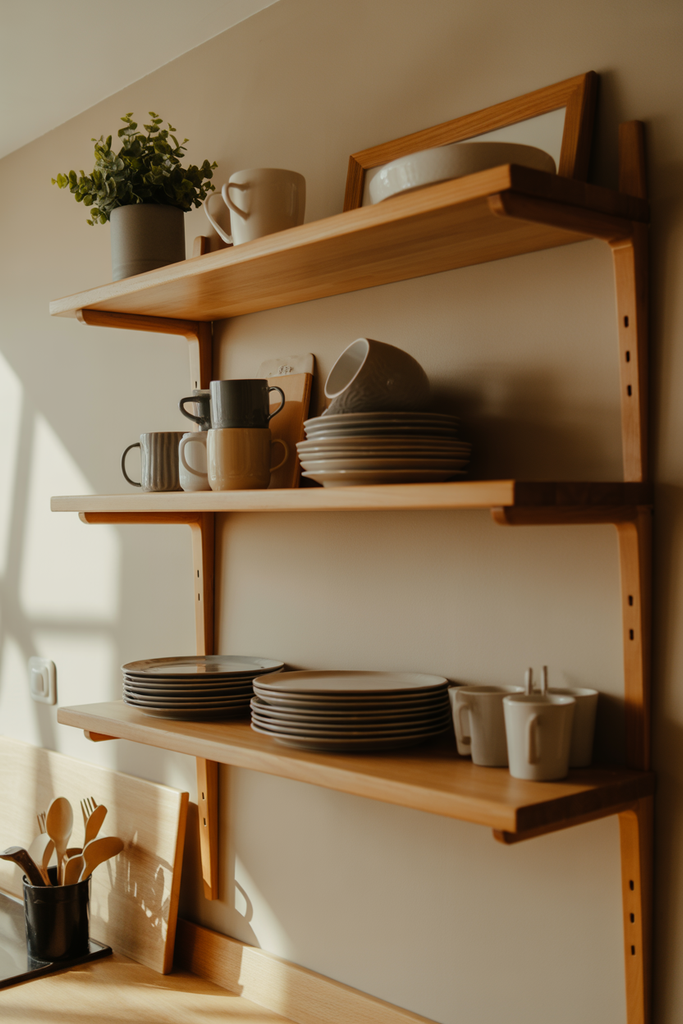
- Adds storage and display space without full cabinetry costs
- Simple installation makes this accessible for most skill levels
- Works well in kitchens, bathrooms, or living rooms alike
- Inexpensive wood and brackets keep material costs low
- I’ve noticed unfinished wood shelves take stain beautifully for a custom look
DIY floating shelves are one of the more functional first home decor ideas, adding both storage and visual interest without the cost of built-in cabinetry. A simple wooden board and a pair of brackets are often all that’s needed to create a shelf that looks intentional and custom-built. I’ve noticed that unfinished wood takes stain beautifully, allowing you to match the shelf’s tone to existing furniture for a cohesive, considered look. This project works well in kitchens for displaying dishes, or in living rooms and bathrooms for smaller decorative items and plants.
This idea is especially practical for first-time homeowners still building out storage solutions on a limited budget, since floating shelves cost a fraction of installed cabinetry. I’ve seen this project completed in an afternoon by someone with very little prior DIY experience, making it accessible even for beginners. Because the materials are inexpensive, multiple shelves can be added gradually as storage needs grow.
12. Warm Lamp Layering
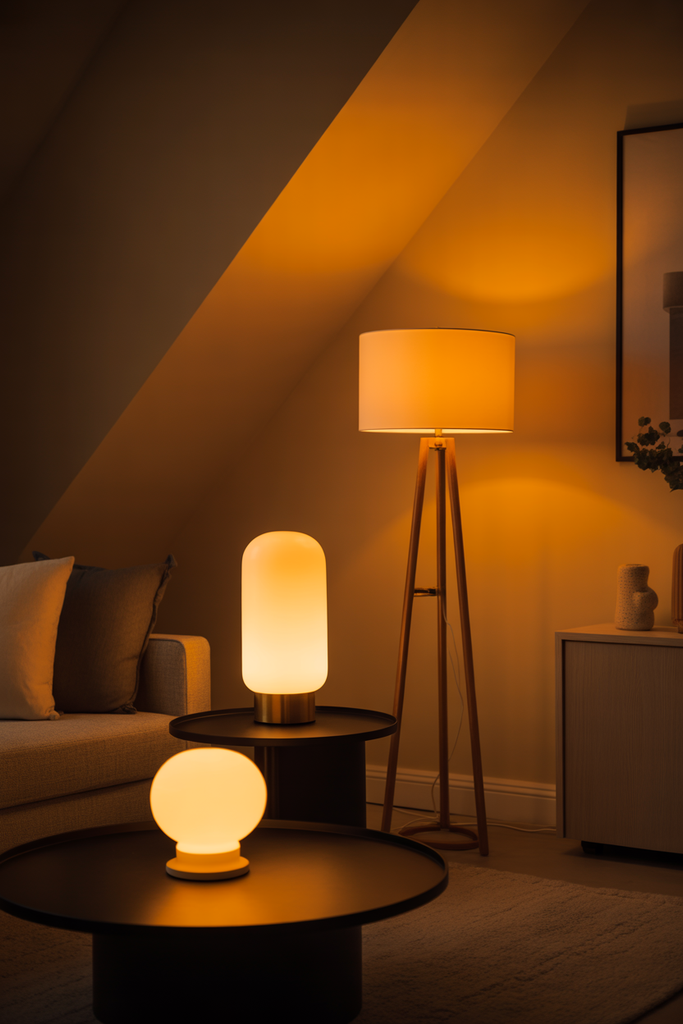
- Replaces harsh overhead lighting with warmer, softer light
- Layered lamps create a more inviting evening atmosphere
- Secondhand lamps are often available for very little cost
- Works well in any room lacking sufficient natural light
- I’ve noticed warm bulbs make a bigger difference than the lamp itself
Layering multiple lamps at different heights is one of the most underrated first home decor ideas for making a space feel genuinely warm and inviting, especially in the evening. Relying solely on a harsh overhead fixture tends to make a room feel sterile, while a mix of table and floor lamps creates a softer, more layered glow throughout the space. I’ve noticed that the warmth of the light bulb itself often matters more than the lamp’s design, since a cool white bulb can undercut even the coziest-looking fixture. Choosing warm-toned bulbs consistently makes the biggest difference in overall atmosphere.
This idea is genuinely budget-friendly, since secondhand lamps are widely available at thrift stores and often sell for very little compared to buying new. I’ve seen this lighting approach used successfully in apartments with limited natural light, where the right lamp placement can compensate significantly for darker corners. Because lamps are portable, they’re also easy to rearrange as furniture layouts change over time.
13. Open Shelving Display
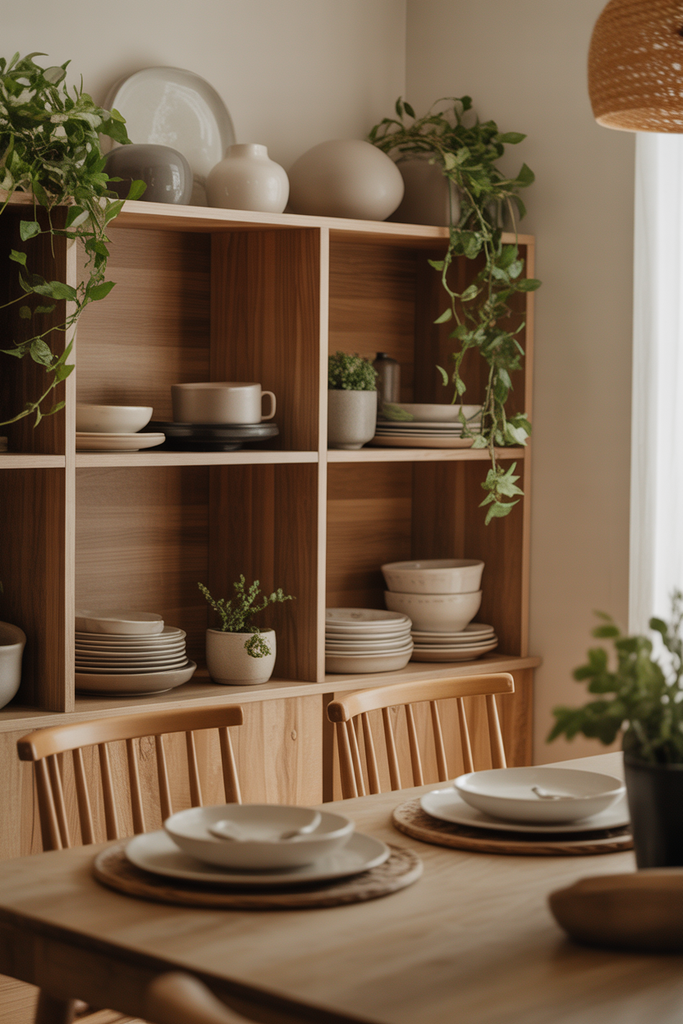
- Turns everyday items into part of the room’s decor
- Inexpensive shelving units cost less than closed cabinetry
- Works well for displaying dishware, books, or plants
- Encourages a more curated, intentional approach to belongings
- I’ve noticed grouping items by color makes shelves look more polished
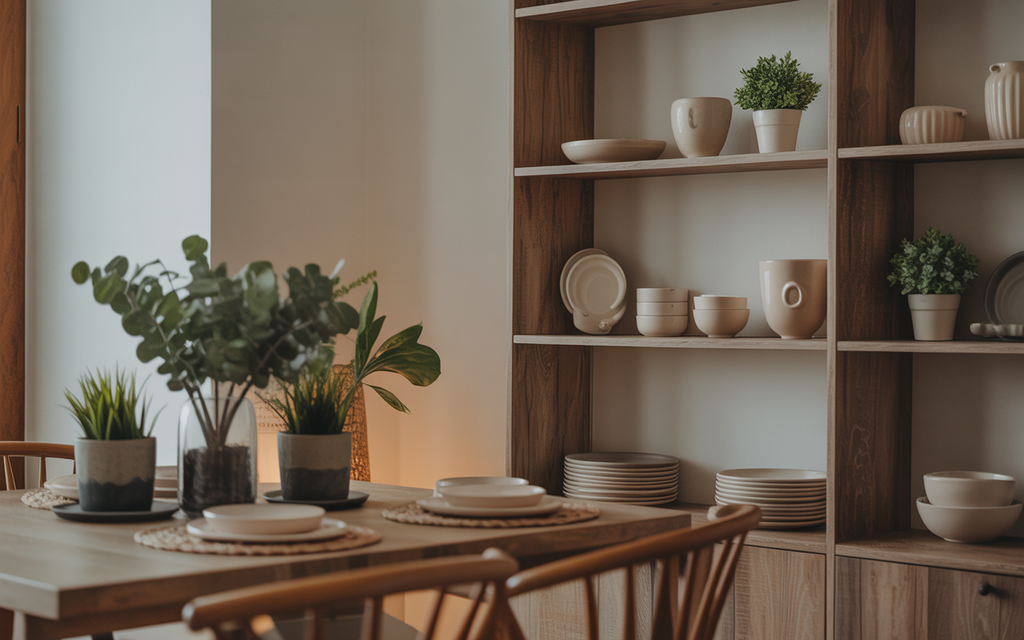
Open shelving turns everyday, functional items into part of a room’s overall decor, making it one of the more practical first home decor ideas for dining areas or kitchens. Rather than hiding dishware behind closed cabinet doors, displaying it openly on affordable shelving adds visual interest while still serving a genuine storage purpose. I’ve noticed that grouping items by color, rather than mixing everything randomly, makes the entire shelf look noticeably more polished and intentional. This small styling choice can make even mismatched, budget dishware look like a deliberate collection.
This idea works particularly well because open shelving units are typically less expensive than fully enclosed cabinetry, especially in a first home where every purchase needs to be practical. I’ve seen this approach used successfully by renters who wanted a decorative element that also served a real function in a small kitchen or dining space. Because everything on display is visible, this setup also naturally encourages keeping only the items you genuinely love and use.
14. Open Shelving Display
- Adds warm ambient lighting without any electrical work
- Battery-operated versions work anywhere, even without an outlet
- Inexpensive way to add a cozy glow to any room
- Works well draped along headboards, shelves, or mirrors
- I’ve tried these behind a headboard and the effect is instantly cozy
Battery-operated string lights are one of the simplest first home decor ideas for adding warmth to a bedroom or living space without any electrical work involved. Because they don’t require a nearby outlet, these lights can be draped almost anywhere, from behind a headboard to along a bookshelf or mirror frame. I’ve tried this exact setup behind a bed, and the soft golden glow instantly made the whole room feel cozier, even before any other decor was added. This is a favorite trick among first-time renters who want ambiance without worrying about wiring or installation.
This idea is also genuinely inexpensive, since string lights are widely available and typically cost very little compared to installing new light fixtures. I’ve seen this used successfully in dorm rooms, apartments, and first houses alike, proving its versatility across very different living situations. Because the lights run on batteries, they can be moved and reused in a completely different spot whenever the room’s layout changes.
15. Personal Photo Ledge
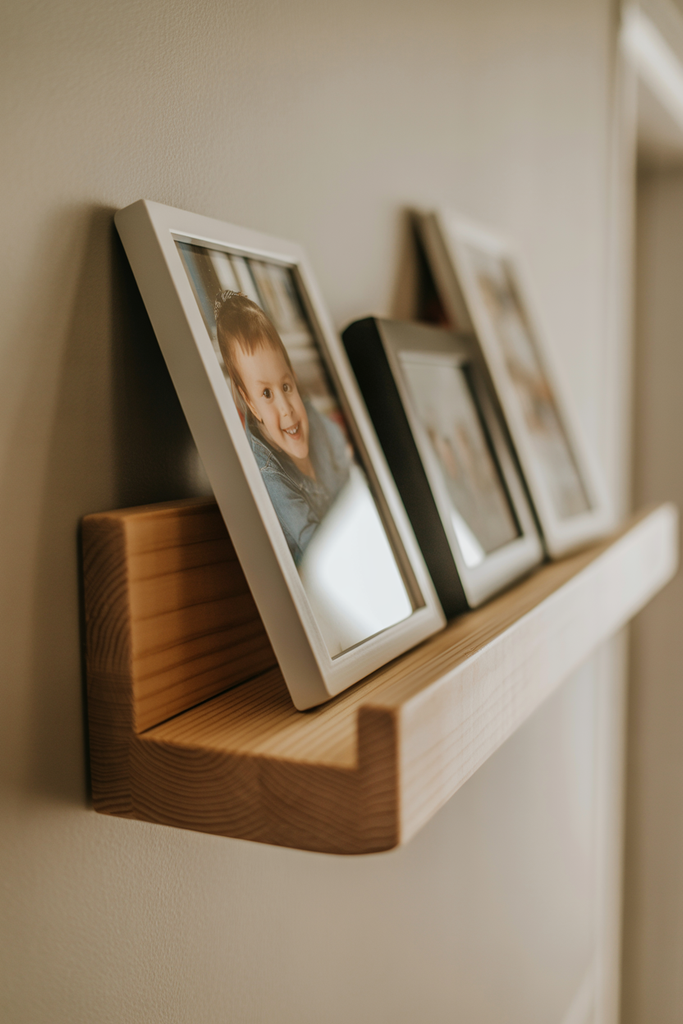
- Adds a personal touch that makes a house feel like home
- Ledges are cheaper than hanging multiple individually framed photos
- Easy to rearrange or swap frames without new wall holes
- Works well displaying a mix of photos, art, or small decor
- I’ve noticed leaning frames at angles looks more relaxed than perfectly straight rows
A picture ledge is one of the most meaningful first home decor ideas, since it fills a wall with genuinely personal photos rather than generic, purchased artwork. Unlike individually hanging several frames, a single ledge allows photos to be leaned and rearranged freely, without creating multiple new holes every time you want to update the display. I’ve noticed that leaning frames at slightly different angles, rather than lining them up perfectly straight, gives the whole arrangement a more relaxed, natural feel. This small detail makes the display feel like it evolved over time rather than being staged all at once.
This idea is especially budget-friendly, since one ledge is typically less expensive than buying and hanging several separate frames throughout a room. I’ve seen this used effectively by many first-time homeowners as one of the first personal touches added to a still-developing space. Because rearranging photos requires no new hardware, this display can grow and change easily as new memories are added over time.
Conclusion
Furnishing and decorating a first home doesn’t have to happen all at once, and it definitely doesn’t require an unlimited budget. From thrifted coffee tables to a simple photo ledge, these first home decor ideas show that small, thoughtful choices add up to a space that genuinely feels like your own. I’ve seen how something as simple as warm lamp lighting or a layered rug can completely change how a room feels, without breaking the bank. Pick one or two ideas that fit your space and budget, start there, and build from it as you go. Save this article to Pinterest so you can come back to it, and share it with anyone just starting to make their first place feel like home.