22 Afrohemian Decor Styling Ideas With Global Soul
Some homes feel decorated. Others feel lived in, loved, and full of stories. Afrohemian decor belongs firmly in the second group, blending African craftsmanship with the relaxed, layered spirit of bohemian style.
Think earthy colors, handwoven baskets, mudcloth textiles, carved wood, and plenty of plants. I’ve noticed that this style draws people in because every piece seems to carry history and meaning, not just good looks.
In this guide, you’ll find 22 easy Afrohemian decor ideas for living rooms, bedrooms, entryways, and small corners. You’ll learn how to mix patterns, layer textures, and choose meaningful pieces, plus how to support the artisans whose traditions make this style so special.
1. Mudcloth Throw Pillows
- Adds bold pattern in an easy, low-commitment way
- Works on sofas, beds, and reading chairs
- Pairs beautifully with neutral fabrics
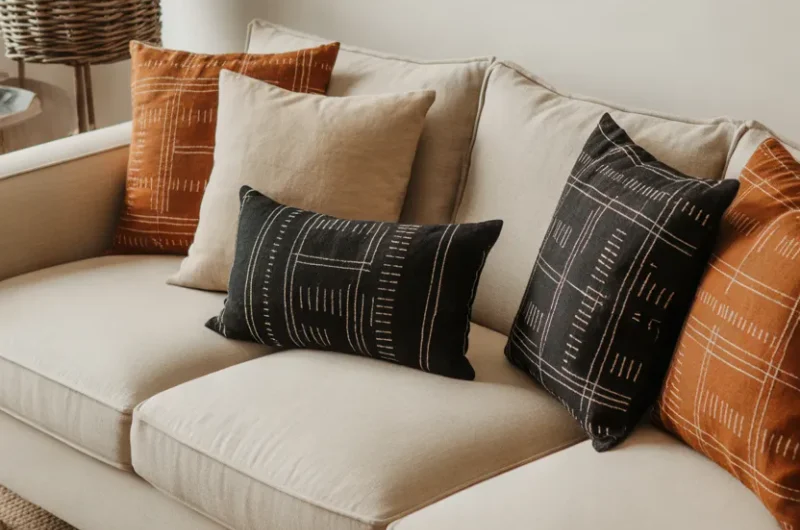
Mudcloth pillows are one of the easiest ways to start with Afrohemian decor. Traditional bògòlanfini comes from Mali, where artisans dye handwoven cotton with fermented mud to create striking geometric patterns. Mix two or three mudcloth pillows in black, rust, or cream with plain linen cushions so the pattern has room to shine. In my experience, pairing one bold print with one smaller print looks intentional rather than busy. Whenever you can, buy authentic pieces from artisan cooperatives so your decor supports the makers.
2. Woven Basket Wall
- Fills a large blank wall with texture
- Lightweight and easy to hang
- Celebrates handmade craftsmanship
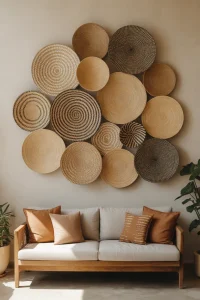
A wall of flat woven baskets is one of the most iconic Afrohemian decor looks. Mix sizes, colors, and patterns, from neutral grass baskets to brightly dyed bolga or Zulu-inspired weaves. Arrange them on the floor first, then hang the largest piece in the center and build outward. This works beautifully above a sofa, bed, or console table. I’ve seen basket walls turn plain rental living rooms into warm, gallery-like spaces in a single afternoon. Use small nails or removable hooks so each basket can be taken down and used if needed.
3. Earthy Terracotta Palette
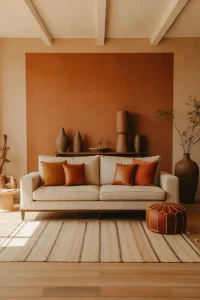
- Creates warmth and depth in any room
- Reflects natural, sun-baked landscapes
- Pairs well with wood and plants
Color sets the foundation for Afrohemian decor. Build your palette around warm earth tones like terracotta, burnt orange, ochre, clay, deep brown, and soft sand. These shades feel grounded and welcoming, especially in natural light. Try an accent wall in clay or terracotta behind your sofa, then repeat the color in pillows, vases, and rugs. I’ve noticed that rooms with at least three related earth tones feel richer and more cohesive. Balance the warmth with cream or off-white walls elsewhere so the space doesn’t feel too dark or heavy.
4. Juju Hat Wall Display
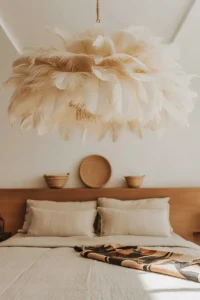
- Makes a dramatic, sculptural statement
- Adds soft texture and movement
- Looks stunning in bedrooms and living rooms
Juju hats, traditionally made with feathers by the Bamileke people of Cameroon, are beloved in Afrohemian decor for their fluffy, sculptural shape. Hang one large juju hat above a bed or console, or create a cluster of two or three in different sizes. White and natural tones feel soft and airy, while black or colored versions add drama. In my experience, one juju hat paired with a woven basket or two creates a balanced, layered wall. Gently fluff the feathers after hanging, and keep them away from damp areas like bathrooms.
5. Kente-Inspired Accents
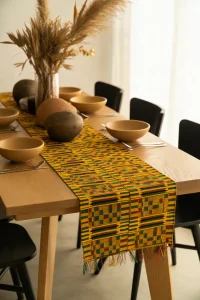
- Brings vibrant color into neutral rooms
- Celebrates West African weaving traditions
- Works in small doses for big impact
Kente cloth, woven in Ghana, is known for its bright strips of gold, green, red, and blue. In Afrohemian decor, a little kente goes a long way. Use it as a table runner, a framed textile, a lampshade cover, or a single throw pillow. Pair it with neutral surroundings so the colors can glow. I’ve noticed that kente looks especially beautiful against warm white walls and natural wood. Learn a little about the patterns you choose, since many kente designs carry special meanings, and look for handwoven pieces from Ghanaian weavers.
6. Carved Wooden Stools
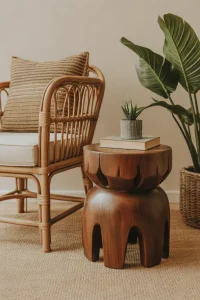
- Doubles as a side table or extra seat
- Adds sculptural, handmade character
- Works in nearly every room
Hand-carved wooden stools bring instant soul to Afrohemian decor. Look for Ashanti-style stools with curved seats or simple carved stools with geometric details. Use one as a side table next to the sofa, a plant stand by the window, or a nightstand beside the bed. The natural wood grain adds warmth to neutral rooms. I’ve found that one statement stool can become the most talked-about piece in a room. Choose real wood with visible tool marks, which show the skill and care of the maker rather than mass production.
7. Layered Rugs
- Adds warmth and comfort underfoot
- Mixes patterns and textures easily
- Defines seating areas
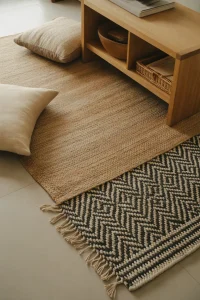
Layering rugs is a key part of Afrohemian decor’s relaxed feel. Start with a large natural jute or sisal rug, then add a smaller patterned rug on top. Try a Moroccan wool rug, a kilim, or a rug with mudcloth-style geometric lines. The mix of textures makes a room feel warm and collected over time. In my experience, keeping the base rug plain and choosing a bolder top rug always looks balanced. This trick also helps renters hide worn carpet or cold floors without a big investment.
8. Plants Everywhere
- Brings life and freshness indoors
- Softens bold patterns and earthy tones
- Purifies and brightens the space
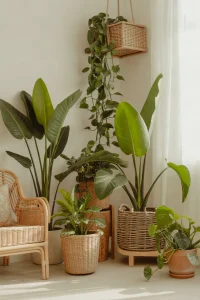
Plants are essential to Afrohemian decor, adding a lush, jungle-like energy. Mix tall plants like bird of paradise, fiddle-leaf fig, or snake plants with trailing pothos and leafy monstera. Place them in woven baskets, terracotta pots, or carved wooden planters to tie them into the style. Group plants at different heights in corners and near windows. I’ve noticed that even two or three healthy plants make a room feel far more inviting. Choose easy-care varieties if you’re a beginner, since thriving plants always look better than many struggling ones.
9. Rattan and Cane Furniture
- Adds lightness and natural texture
- Feels relaxed and bohemian
- Mixes well with wood and textiles
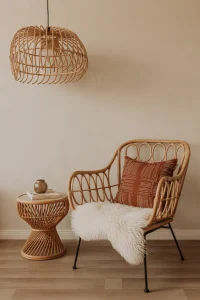
Rattan and cane furniture bring the “bohemian” side of Afrohemian decor to life. Try a rattan accent chair, a cane headboard, a woven pendant light, or a rattan side table. These pieces feel airy and casual, balancing heavier wooden furniture and bold textiles. Add a mudcloth cushion or a sheepskin throw to a rattan chair for comfort and contrast. I’ve seen one rattan piece completely soften a room full of dark wood. Look for sturdy, well-made pieces, since cheap rattan can sag or unravel quickly with daily use.
10. African Art and Prints
- Adds personality and story to your walls
- Supports contemporary African artists
- Creates a meaningful focal point
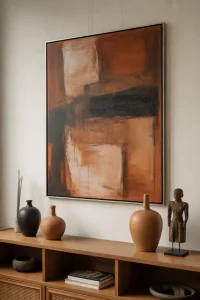
Art is where Afrohemian decor becomes truly personal. Choose paintings, prints, or photography by African and African diaspora artists, from bold abstract work to portraits and landscapes. A large statement piece above the sofa or a curated gallery wall both work beautifully. Mix frames in natural wood and black for a collected feel. In my experience, buying directly from artists or small galleries makes your home feel unique and supports creative communities. Choose pieces that genuinely move you rather than art that simply matches the sofa.
11. Kuba Cloth Textiles
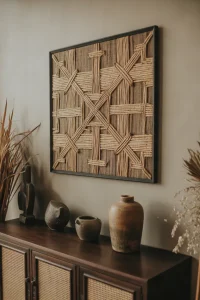
- Adds rich, graphic texture
- Celebrates Central African artistry
- Works as wall art or table decor
Kuba cloth, made by the Kuba people of the Democratic Republic of Congo, is woven from raffia palm fibers and decorated with intricate geometric patterns. In Afrohemian decor, it makes a stunning framed wall piece, table runner, or pillow cover. The natural earthy colors blend easily with wood, rattan, and plants. I’ve noticed that framing a Kuba cloth panel turns it into an instant statement piece that feels both ancient and modern. Handle authentic pieces gently, since raffia is delicate, and keep them out of direct sunlight to prevent fading.
12. Natural Wood Bead Garlands
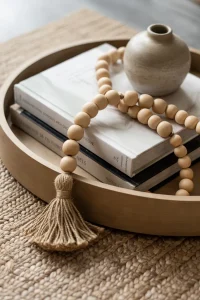
- Adds subtle, organic detail
- Easy and affordable to style
- Works on shelves, trays, and furniture
Wooden bead garlands are a simple way to add Afrohemian decor charm to small spaces. Drape one over a stack of books, across a coffee table tray, or along the edge of a shelf. Choose beads in natural, dark, or mixed wood tones, sometimes finished with a small tassel. They add texture without taking up much room. I’ve found that bead garlands are perfect for filling awkward gaps on shelves without adding clutter. You can even make your own with wooden beads and jute string for a fun, budget-friendly weekend project.
13. Statement Floor Cushions
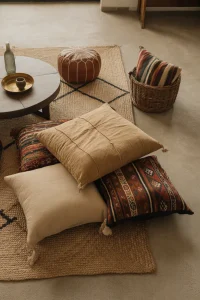
- Creates casual, flexible seating
- Adds pattern at floor level
- Perfect for small spaces and gatherings
Floor cushions bring a relaxed, communal feel to Afrohemian decor. Choose large square or round cushions in mudcloth, kilim, or leather, and pile them near a coffee table or in a cozy corner. They’re perfect for gatherings, game nights, or quiet reading. Mix two or three patterns in the same color family so they look cohesive. In my experience, floor cushions make small apartments feel more welcoming because guests always have somewhere to sit. Store extras in a large woven basket when you need more floor space.
14. Woven Pendant Lighting
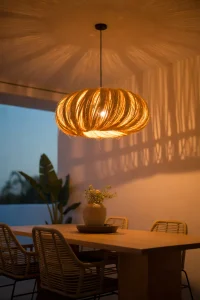
- Casts beautiful patterned shadows
- Adds natural texture overhead
- Becomes a focal point in the room
A woven pendant light is one of the most magical Afrohemian decor touches. Choose seagrass, rattan, or raffia shades in large, rounded shapes. When the light is on, the woven texture casts gentle patterns across the walls and ceiling. Hang one over a dining table, in a living room corner, or above the bed. I’ve noticed that woven lighting instantly makes a room feel warmer at night. Use warm white bulbs to enhance the earthy palette, and consider a dimmer so you can adjust the mood easily.
15. Clay and Ceramic Pottery
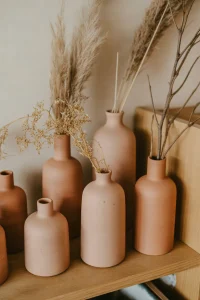
- Adds handmade, earthy texture
- Works as decor or functional storage
- Looks beautiful in groups
Handmade pottery fits perfectly with Afrohemian decor’s love of natural materials. Display clay vases, terracotta pots, and ceramic bowls in groups of three or five on shelves, consoles, or coffee tables. Fill them with dried grasses, pampas, or branches for height and movement. Look for pieces with visible fingerprints, uneven glazes, or carved details. I’ve found that slightly imperfect pottery always feels warmer and more authentic than perfectly smooth store-bought vases. Mix sizes and finishes, but keep the colors earthy so the display looks cohesive.
16. Mixed Pattern Bedding
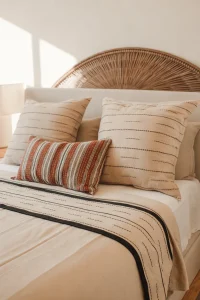
- Turns the bed into the room’s focal point
- Combines comfort and bold style
- Easy to change seasonally
The bedroom is a wonderful place to layer Afrohemian decor patterns. Start with neutral linen sheets, then add a mudcloth or kilim-inspired duvet cover. Layer throws and pillows in coordinating patterns, such as stripes, triangles, and dots. Keep the colors consistent, like black, cream, and rust, so the mix feels calm rather than chaotic. In my experience, varying the scale of each pattern is the secret to making them work together. Finish with a juju hat or woven basket above the headboard for a dreamy, layered look.
17. Leather and Hide Accents
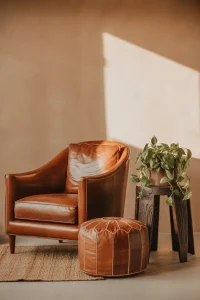
- Adds rich texture and warmth
- Ages beautifully over time
- Works with rustic and modern styles
Leather brings a grounded, luxurious feel to Afrohemian decor. Add a worn leather pouf, a cognac leather armchair, leather-wrapped baskets, or leather drawer pulls. Choose natural, warm tones that blend with wood and terracotta. Faux leather and vegan alternatives work well too if you prefer them. I’ve seen a single leather pouf instantly make a living room feel more relaxed and lived-in. Over time, genuine leather develops a soft patina that only adds to its character, so don’t worry too much about small marks.
18. Global Treasures Shelf
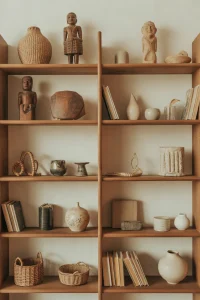
- Displays meaningful finds and souvenirs
- Tells your personal story
- Creates a curated, collected look
An open shelf filled with meaningful objects captures the “global soul” of Afrohemian decor. Mix carved figures, small baskets, beaded pieces, books, pottery, and travel souvenirs. Group items in clusters, vary their heights, and leave space between them so each piece stands out. In my experience, the best shelves include items with personal stories, like a basket from a market trip or a gift from a friend. Edit the shelf every few months, rotating pieces in and out to keep it fresh and interesting.
19. Afrohemian Entryway
- Makes a warm first impression
- Combines function and style
- Sets the tone for your whole home
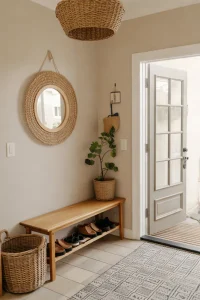
Your entryway is the perfect introduction to Afrohemian decor. Start with a wooden bench or console, then add a woven basket for shoes, a round mirror with a natural frame, and a small plant. Hang a mudcloth runner or a woven wall basket above. A patterned rug at the door adds warmth and helps catch dirt. I’ve noticed that guests immediately feel the personality of a home when the entryway reflects its style. Keep the space practical, with hooks and storage, so it stays tidy as well as beautiful.
20. Macramé and Fiber Art
- Adds soft, handmade texture to walls
- Balances hard surfaces like wood and clay
- Easy to DIY
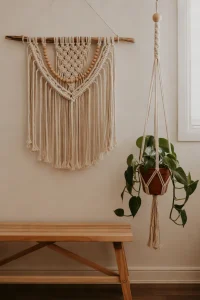
Macramé wall hangings and fiber art add a soft, bohemian layer to Afrohemian decor. Choose pieces in natural cotton, jute, or wool, sometimes with wooden beads or earthy dyed fibers. Hang one above a bed, in a reading nook, or beside a window where light can show off the texture. Pair fiber art with woven baskets or carved wood for a balanced wall. In my experience, macramé plant hangers are a great way to add greenery and texture at the same time. If you love crafting, simple macramé patterns are easy to learn.
21. Afrohemian Reading Nook
- Creates a cozy, personal retreat
- Showcases your favorite pieces
- Perfect for small corners
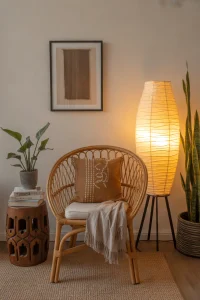
A reading nook is a lovely way to bring Afrohemian decor into a small corner. Start with a rattan or leather chair, then add a mudcloth pillow, a soft throw, and a carved wooden stool as a side table. Place a tall plant beside the chair and a woven pendant or floor lamp overhead. A small basket holds books and blankets. I’ve found that a well-designed nook becomes the most used spot in the house. Add a framed print or textile on the wall above to complete the cozy, curated look.
22. Ethically Sourced Statement Piece
- Supports artisans and their communities
- Adds meaning and authenticity
- Becomes a lasting heirloom
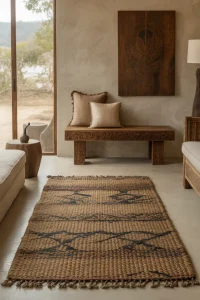
The heart of Afrohemian decor is respect for the cultures and makers behind it. Choose at least one statement piece, such as a handwoven rug, a carved bench, or an original artwork, from an artisan cooperative, fair trade shop, or African-owned brand. Learn the story behind it, including where it was made and what its patterns mean. I’ve noticed that pieces with real stories become the ones people treasure most. This approach makes your home more meaningful and helps keep traditional craftsmanship alive for future generations.
Final Thoughts on Afrohemian Decor
Afrohemian decor is about more than beautiful patterns and earthy colors. It’s about creating a home filled with warmth, meaning, and respect for the makers behind every piece. Start small with a mudcloth pillow, a woven basket, or a few plants, then build your space over time. I’ve seen how thoughtful, handmade pieces can turn an ordinary room into a story worth telling. Save this post on Pinterest so you can come back to these ideas, and share it with a friend who loves global, soulful style as much as you do!